

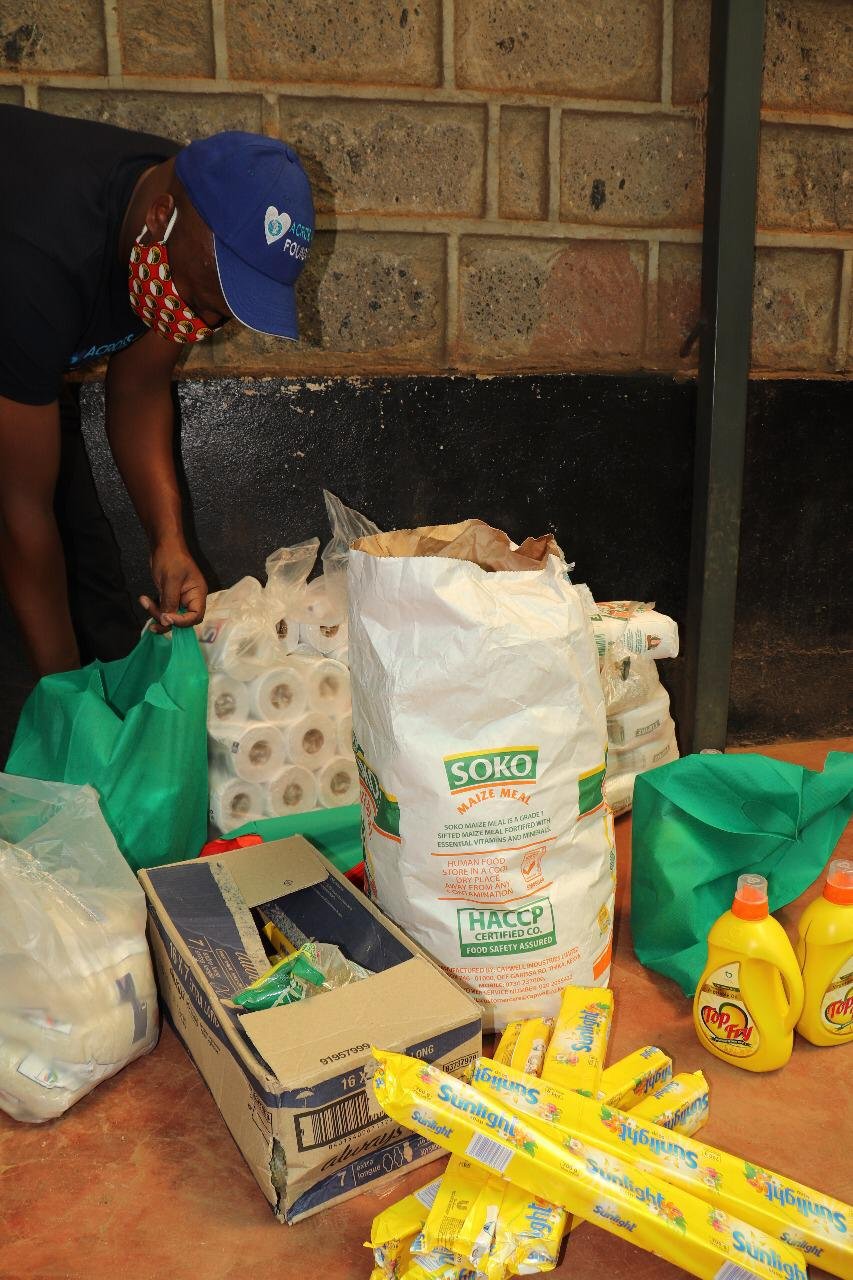


Experts have warned the number of people at the cusp of facing acute hunger globally at the end of this year due to the impact of Covid-19 may reach 265 million. Two people died while scores got injured in a stampede within Kibera, Nairobi struggling for cooking oil and flour in a recent giveaway. Coronavirus has been dabbed ‘the equalizer’ because it does not discriminate between the rich and the poor; however, when it comes to food, this commonality simply vanishes in thin air.
The case of unemployed women in Kahawa, Nairobi
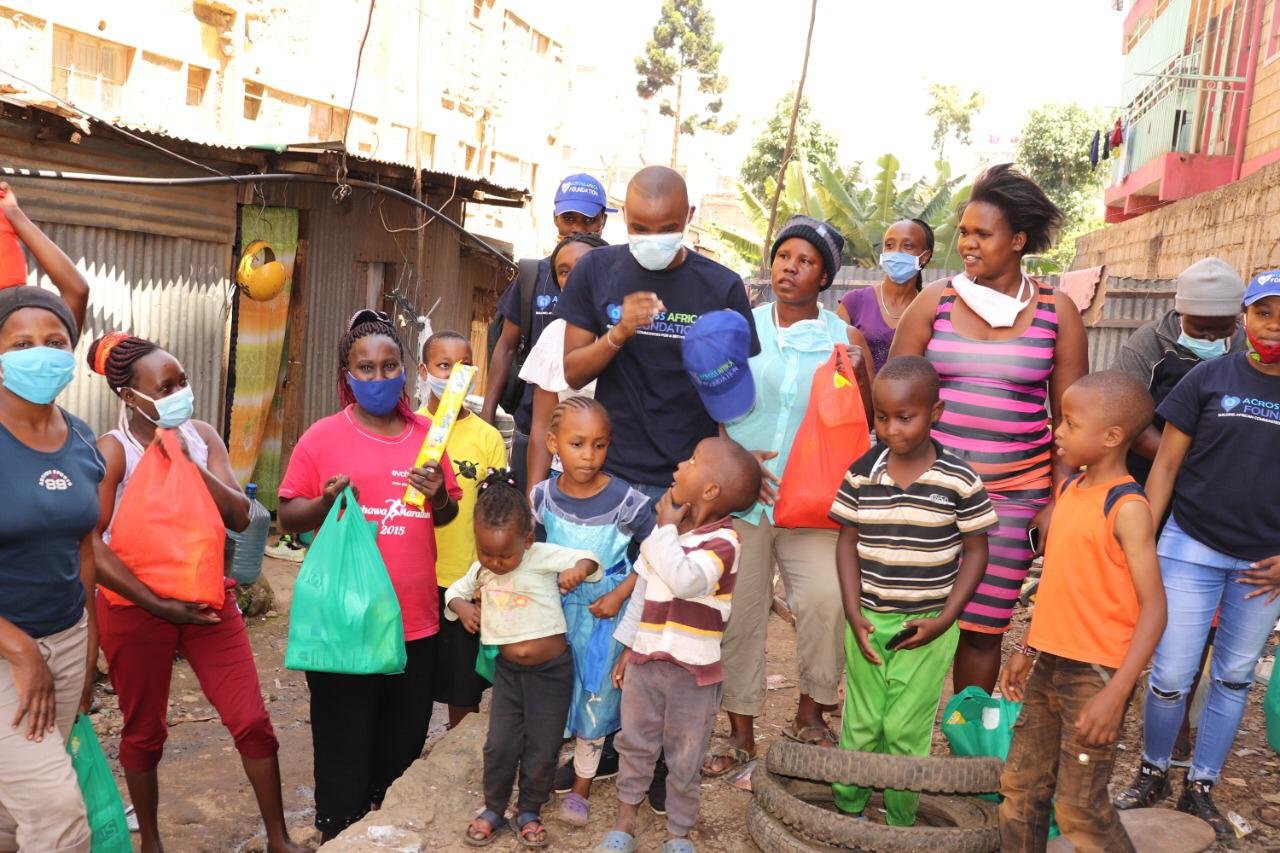
Speaking with several women from Kahawa, Nairobi, you might not help but shed tears. The sad stories of how dramatically life has changed for the worse would even move the famous Pharaoh of Egypt to tears. Most of these women are the sole breadwinners who relied on doing menial jobs to raise their families. Some of them relied on washing clothes and babysitting in their neighborhood just to put bread on the table. All of which is history. Every new day, hope fades away so fast, leaving a trail of untold despair.
Additionally, the burden of settling bills such as house rent, food, among other basic needs, is growing heavier, having lost their only source of livelihood. Most of them are not married yet their dependants, not one, not two, but several. Skipping meals have become the norm. Fear and despondency are gripping by day, with some clearly stating that hunger and not coronavirus will kill them.
Although the government, together with the relevant stakeholders are committed to fighting the spread of the virus, it seems most humanitarian aid is channeled towards major slums, whereas the situation is growing dire in places like Kahawa. Looking at the hopelessness in a hunger-stricken child starring at you with sunken eyes and dry lips outside their co-shared single-room house in Kahawa, Nairobi, you wonder, who will rise to the occasion and save this sinking boat?