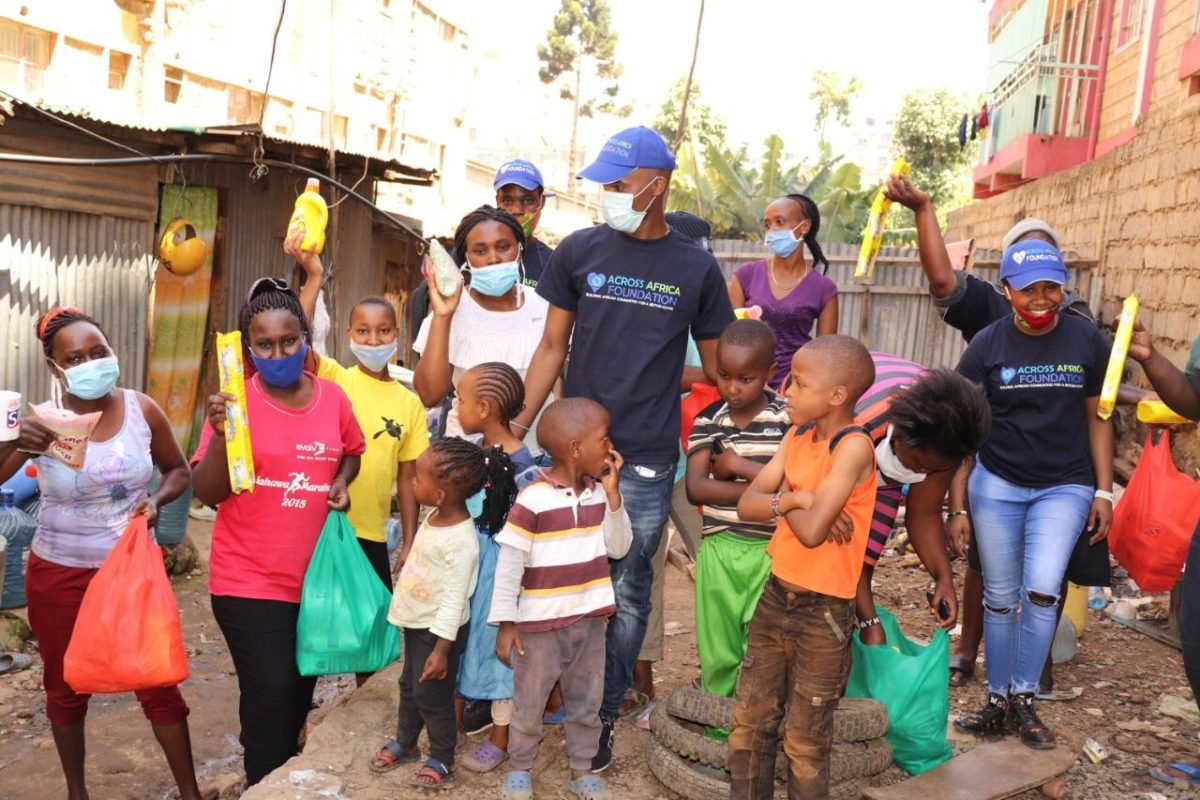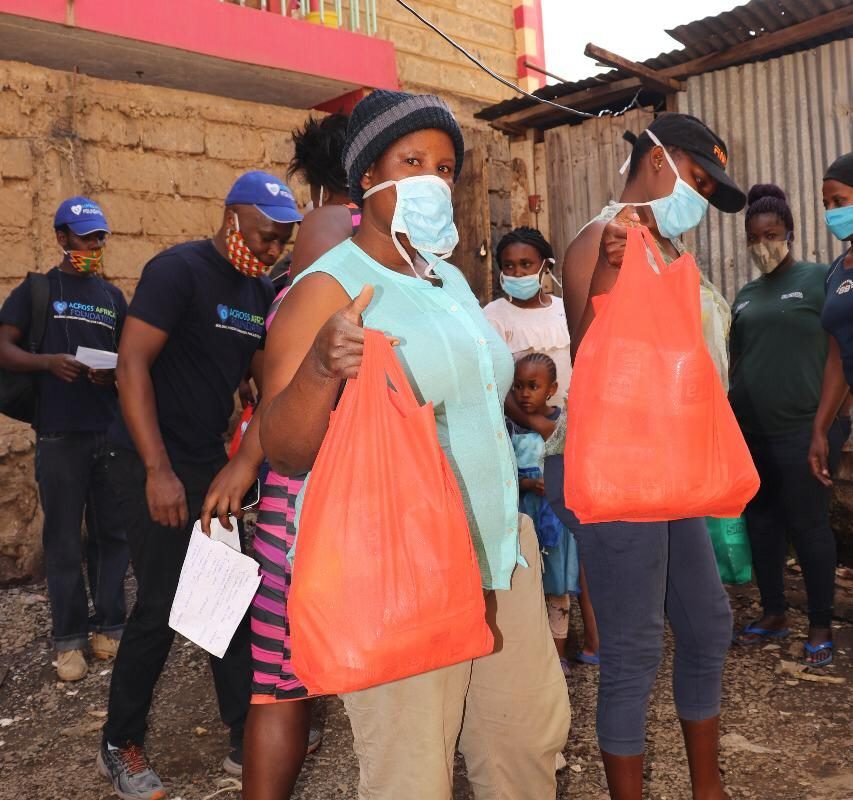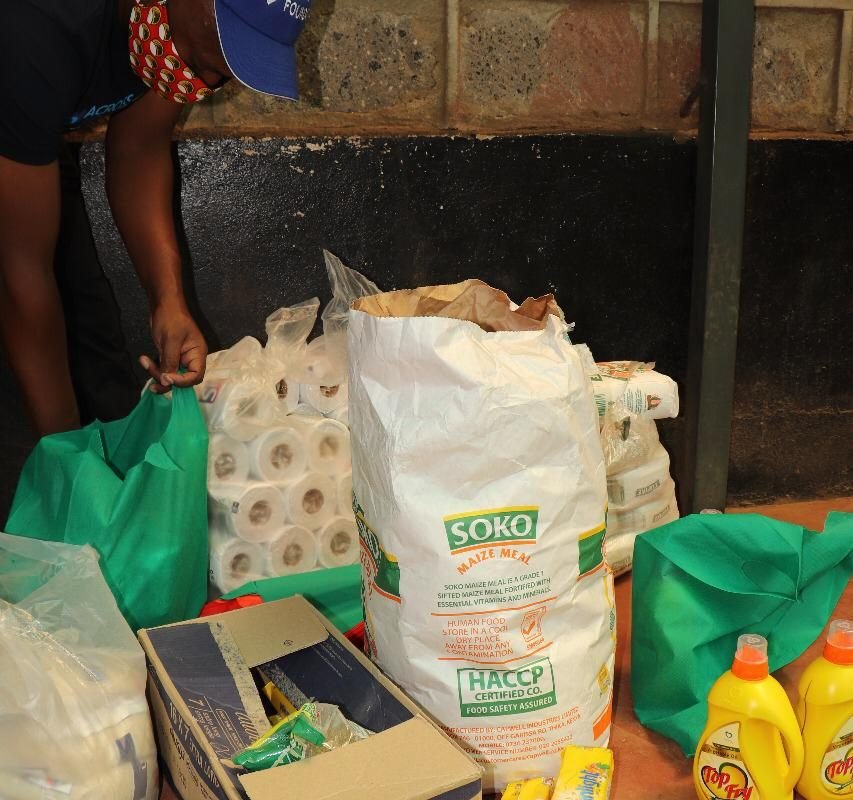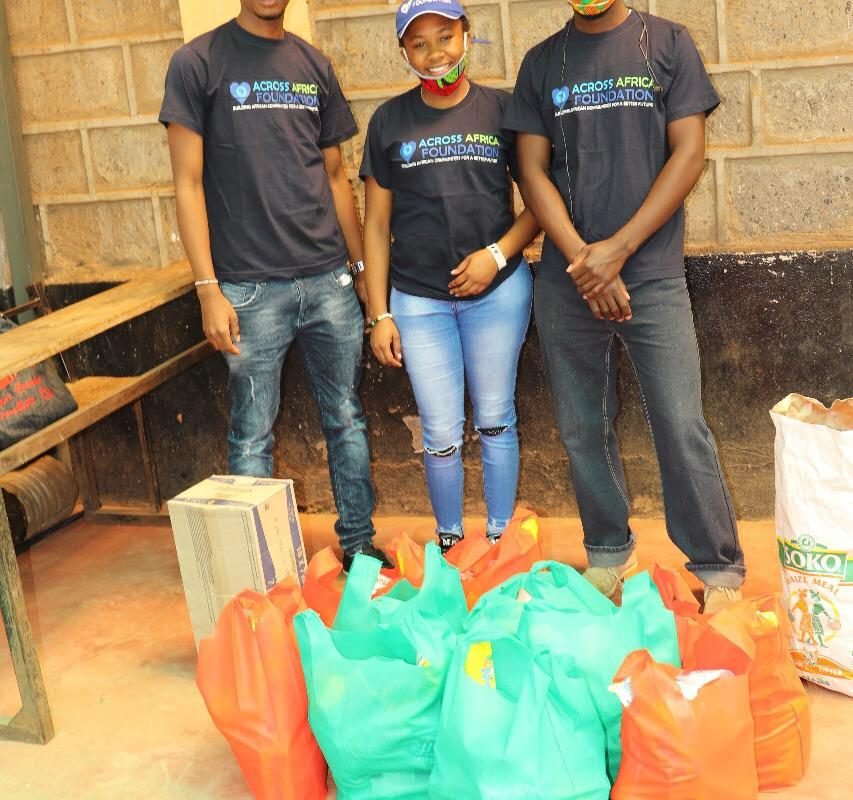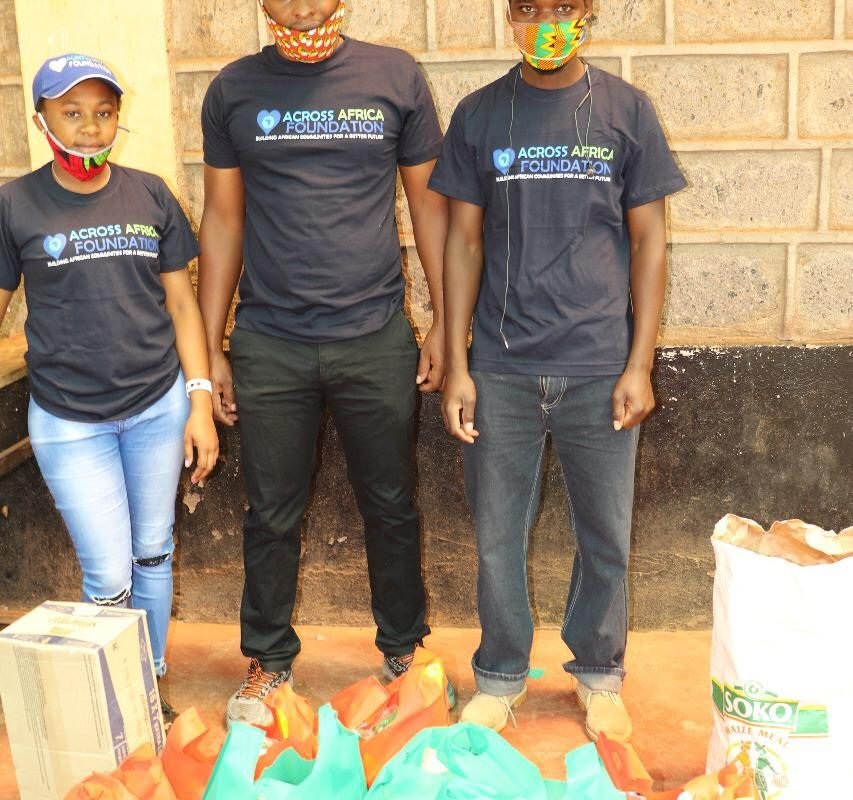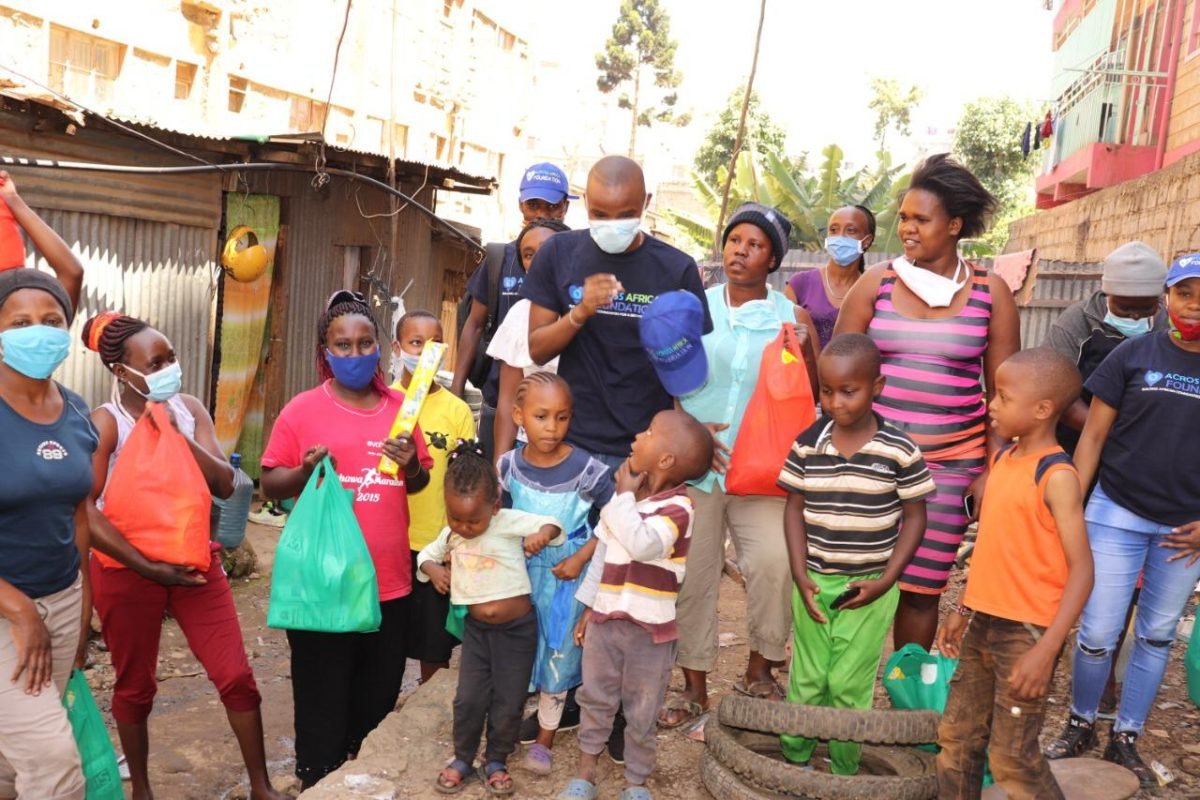

Across Africa Foundation is dedicated to solving the complex and interrelated challenges facing Africa. We touch almost every aspect of the African community, through buying school supplies and equipment to children, helping the elderly and orphaned children, supporting women’s micro-enterprise projects and more.
Some of the villages like in Africa, a woman’s period is considered to be dirty and impure. When we visited a certain village in Kenya, residents told us that women are not allowed in the goats’ den and are not allowed to milk cattle when they are menstruating because of the belief that if they do so, the animals may die. We learned that parents often do not talk to their daughters about periods because it is embarrassing. Unfortunately, this stigma not only prevents education about the menstrual cycle, but it also impedes many of these girls’ ability to go to school. Girls and young women in his village in Baringo county told us that without sanitary products, it’s shameful to even go to school while menstruating. In the local school in Marigat, five to ten girls miss school in one week. Many remain at home because of fear of ridicule from their peers – especially their male classmates. The stigma of having a period prevents many girls from asking questions about their periods, which in turn prevents them from having access to the one item that can help make their menstrual cycle easier: sanitary pads. While some exchange the sex for a packet of sanitary pads and most get pregnant drop out of school just because they could not afford $1 each month to buy sanitary towels.
At the moment, we are running an initiative to support girls in rural areas with sanitary pads. Most of these girls depend on supplies that their governments donate to them. According to an article by NPR, since 2011, the Kenyan government has allocated about $3 million per year to distribute free sanitary pads to schools in low-income areas. Despite these incredibly good efforts, it is still hard for a lot of these supplies to reach schools in very rural areas. To make matters worse, because of COVID-19, schools are closed, and thus access to sanitary pads is even harder. Most of the girls cannot afford pain killers or undergarments, and use leaves and polythene bags to avoid staining their clothes. We have started a project to support these girls in villages throughout Africa. However, we are not able to reach to many marginalized communities at the moment. We would like to seek your help by donating hygiene supplies to our organization, which will establish places to pick up pads in each village, as well as send a team to distribute pads to the girls of each village.